When you first purchase an espresso machine you have questions! This page includes five of the most commonly asked questions about brewing great-tasting shots with your new equipment.
Frequently Asked Questions About
Beginning Espresso Brewing
How do I operate a beginner espresso machine?
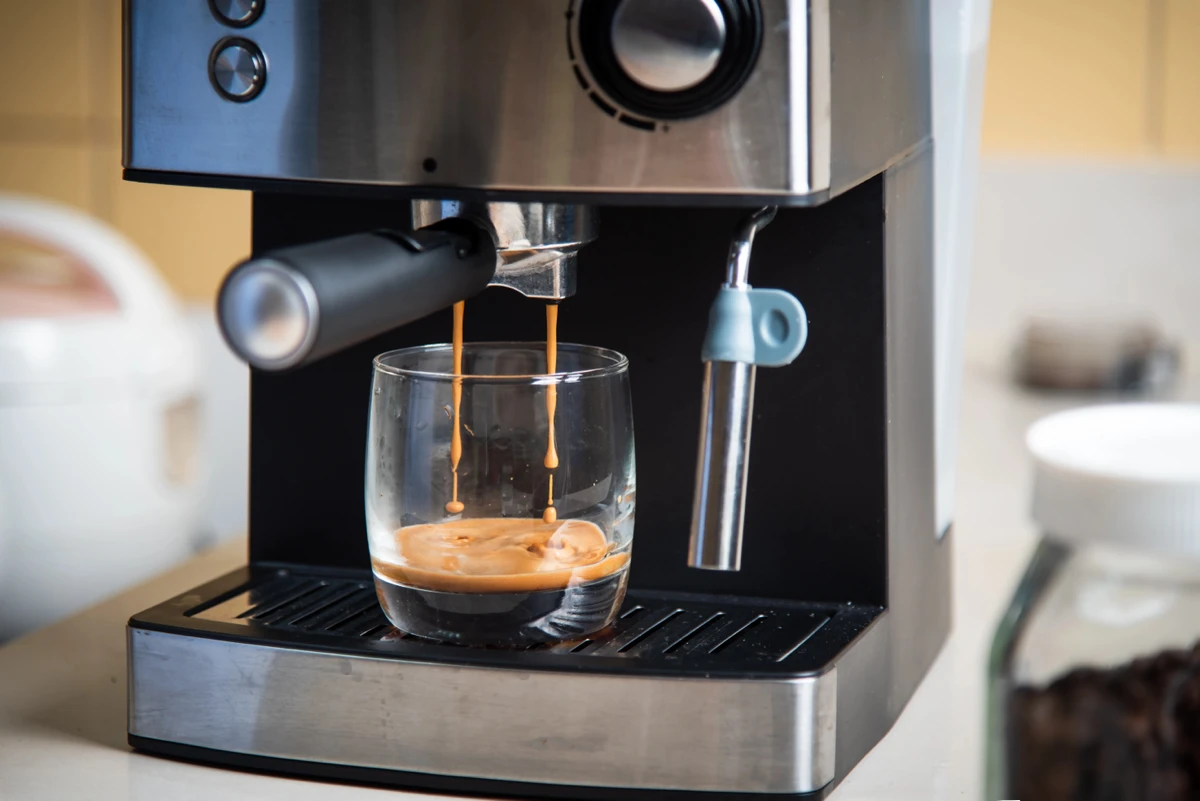
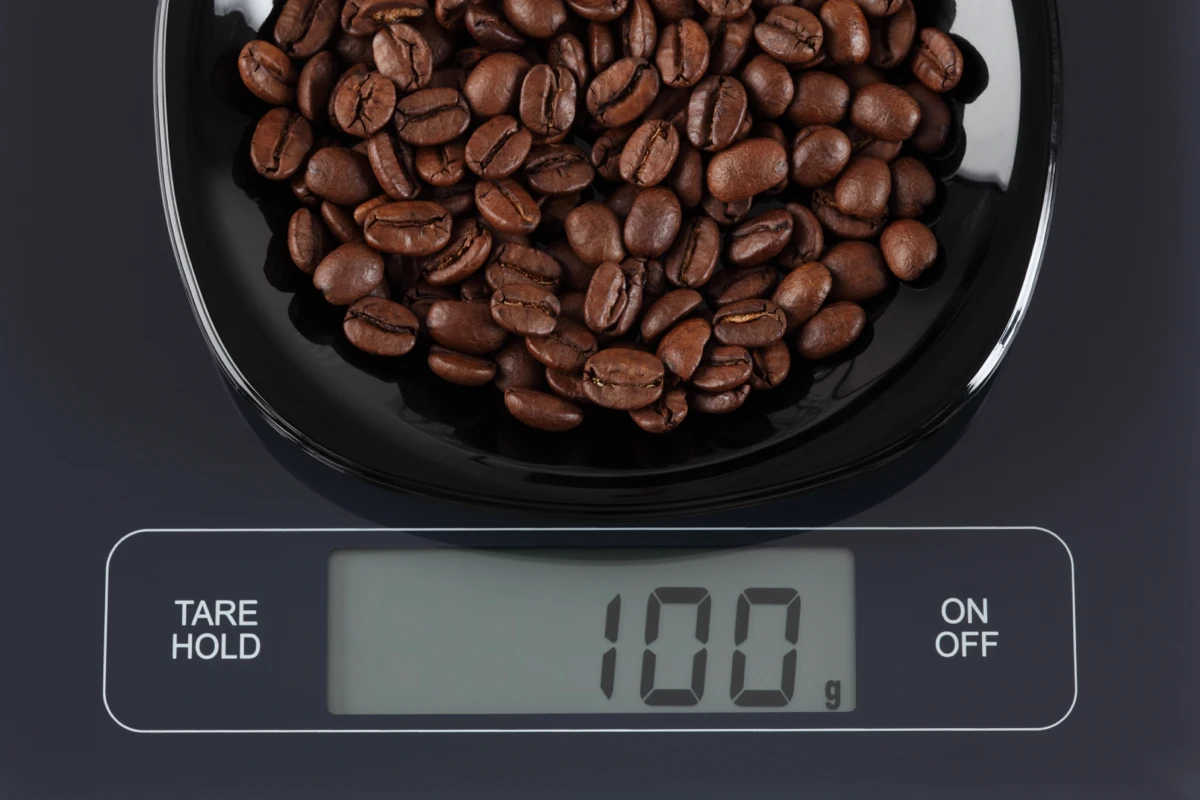
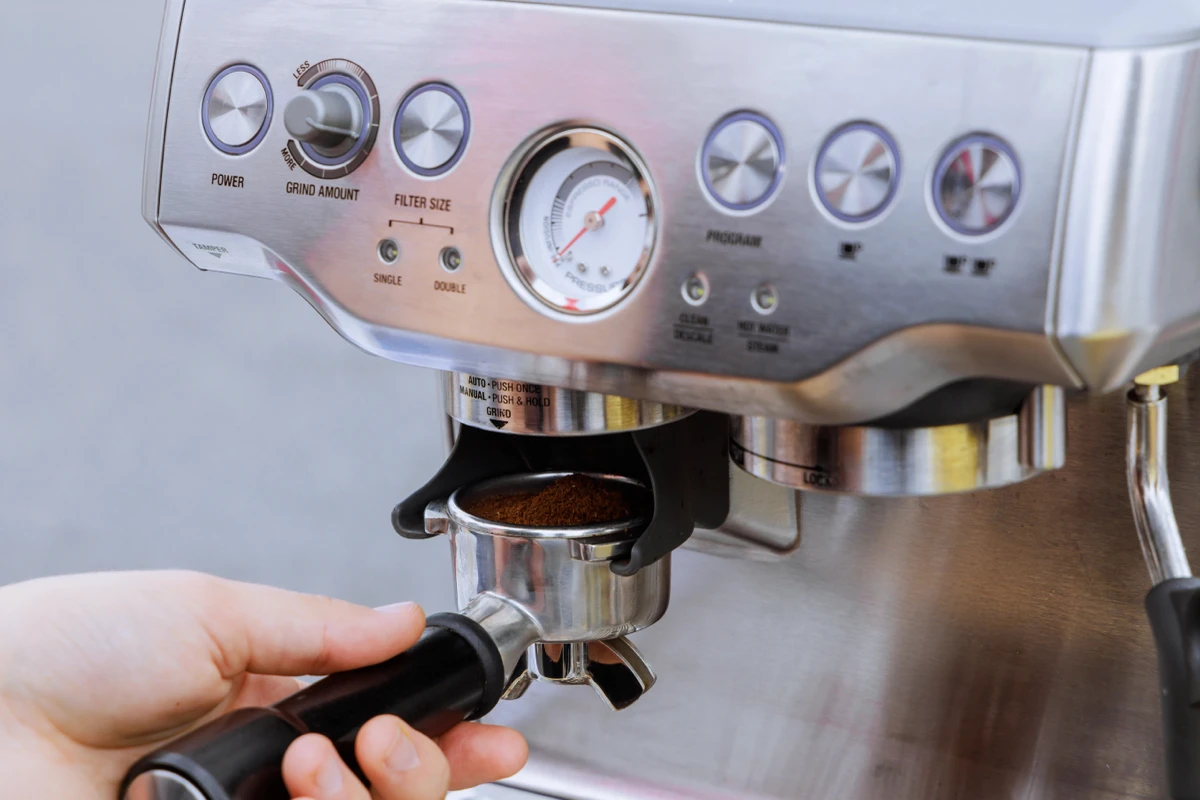
Start by filling the water tank and turning the machine on. Let it heat up for about 20 to 30 seconds. Fill the portafilter (the handle with the small metal basket) with finely ground coffee, then press it down firmly with a tamper. Lock the portafilter into the machine and press the brew button. Espresso should flow out in 25 to 30 seconds. If it runs too fast, your grind is too coarse. Too slow means it is too fine. Adjust from there. A kitchen scale helps you dial in consistent results quickly.
What features should I look for in a beginner espresso machine?
Look for a machine with a built-in pressure gauge so you can see if your espresso is brewing correctly. A steam wand lets you froth milk for lattes and cappuccinos. Choose a model with a 15-bar pump, which is the standard for quality espresso at home. Easy-to-clean removable parts save time. A drip tray and water tank that pull out without tools are small conveniences that matter daily. Brands like Breville offer solid beginner options with clear controls and good support resources online.
Is a manual espresso machine better than an automatic one for beginners?
For most beginners, an automatic or semi-automatic machine is the better starting point. Manual machines, sometimes called lever machines, require you to control the water pressure by hand. That takes practice and experience to get right. Semi-automatic machines handle the pressure for you, so you focus on grinding and tamping. Automatic machines go even further by stopping the shot at a set volume. You will learn the fundamentals faster with fewer variables in play. Once you understand the basics, you can explore manual brewing if the hands-on process appeals to you.
How can I troubleshoot common brewing issues with my espresso machine?
Sour espresso usually means underextraction: your grind is too coarse, your dose is too low, or the shot ran too fast. Bitter espresso points to overextraction: grind too fine or the shot ran too long. Weak, watery shots often mean not enough coffee or inconsistent tamping. If nothing comes out at all, check that the portafilter is locked in properly and the water tank is full. Channeling, where water punches through the coffee unevenly, is usually fixed by tamping the coffee evenly. Small adjustments, one at a time, make troubleshooting much easier.
What is the best brewing temperature for espresso?
The Specialty Coffee Association recommends brewing espresso at 90 to 96 degrees Celsius (195 to 205 degrees Fahrenheit). Most beginner machines are factory set within this range, so you may not need to adjust anything. Water that is too hot makes espresso taste harsh and bitter. Too cool and the espresso will taste flat and sour. If your machine has a temperature setting, start at 93 degrees Celsius (200 degrees Fahrenheit) and adjust slightly based on taste. Lighter roasts often benefit from slightly higher temperatures. Darker roasts can taste better when brewed a touch cooler.
Source: Specialty Coffee Association Brewing Control Chart (https://sca.coffee)